Sri C. G. Krishnaswamy (CGK) – The Voice of People’s Theatre
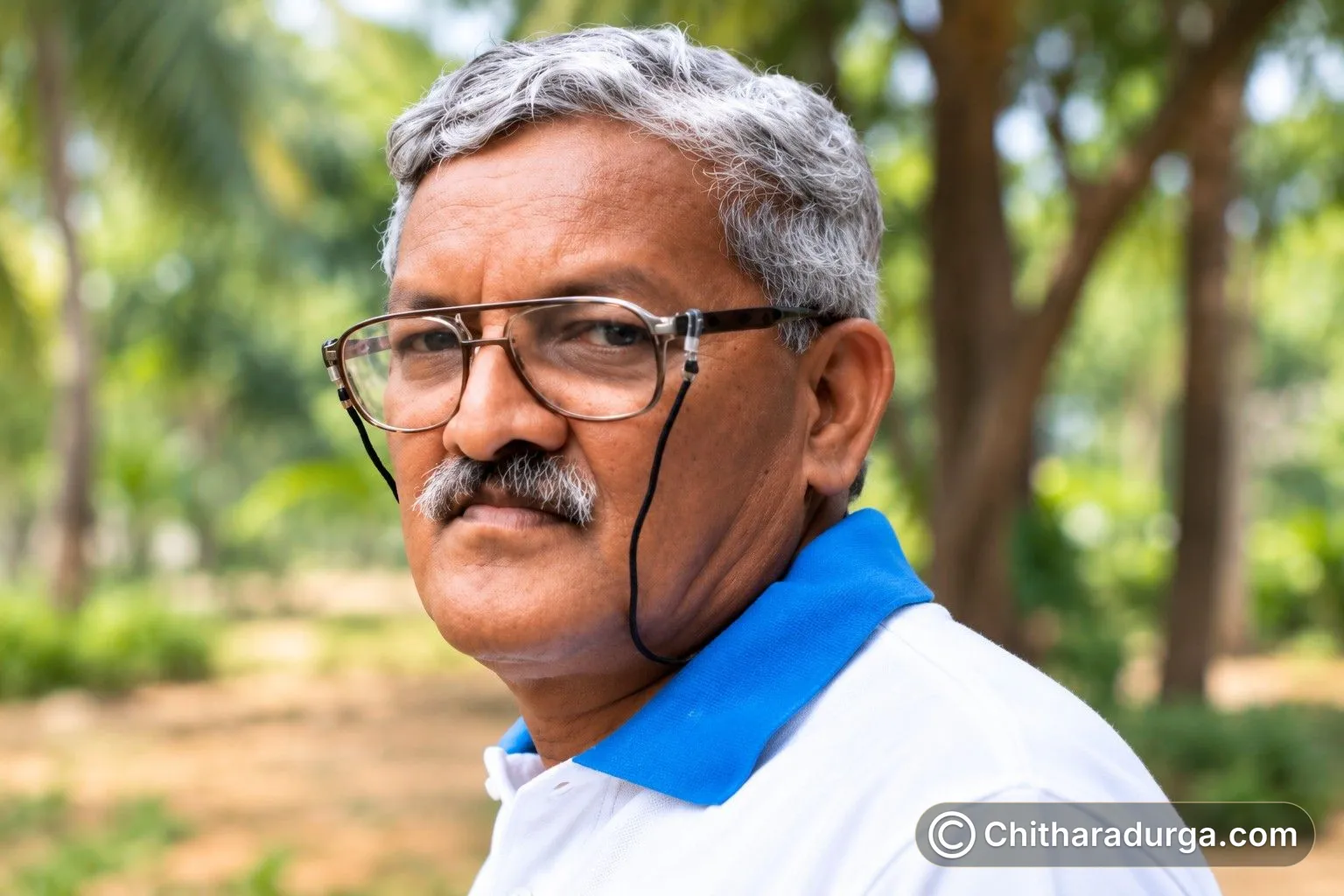
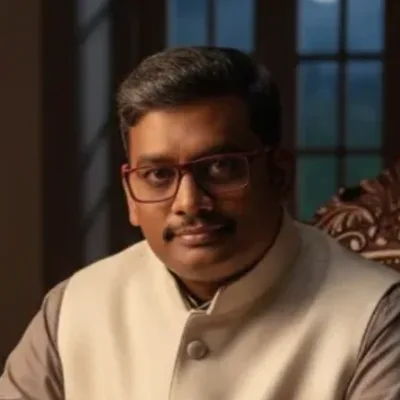
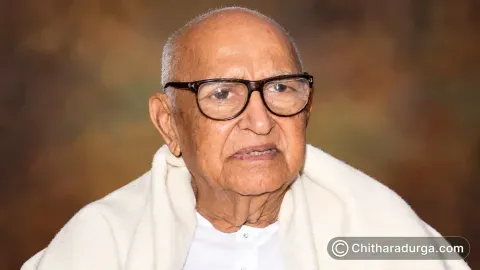
Sri C. G. Krishnaswamy, popularly known as CGK, was one of the most influential personalities in Karnataka’s modern theatre movement. A theatre director, organizer, activist and mentor, CGK believed that theatre should not remain confined to auditoriums. For him, the stage could be a street, a public square, a village, or any place where people gathered.
His contribution went beyond directing plays. He helped shape a generation of theatre artists and used drama as a powerful medium to discuss society, inequality, dignity, justice and the lives of ordinary people.
A New Wave in Kannada Theatre
Kannada theatre witnessed several important phases in the latter half of the twentieth century. B. V. Karanth enriched the theatre movement through innovative productions, music and experimentation. Writers and theatre personalities such as Girish Karnad further expanded its literary and artistic horizons.
During the 1990s, CGK brought another powerful dimension to this movement through street theatre.
He recognized that meaningful theatre did not always require an elaborate stage, expensive sets or sophisticated lighting. A group of committed performers, a public space and an important message were enough to create an impact.
Through street plays, CGK brought theatre closer to workers, students, marginalized communities and common people. In doing so, he helped transform theatre into a medium of dialogue and social awareness.
Theatre Rooted in Social Consciousness
CGK's theatrical journey was closely connected with social movements, particularly struggles concerning Dalits and marginalized sections of society. He gave theatrical expression to subjects and ideas that were often ignored by the mainstream.
Rather than treating theatre merely as entertainment, CGK saw it as a means of questioning society and encouraging people to think.
His work gradually gained recognition beyond Karnataka, reaching audiences and theatre circles at the national and international levels.
‘Odalala’ – A Memorable Production
Among the productions associated with CGK, “Odalala” occupies a significant place.
The play became widely known for its powerful social content and performances. It was staged around a hundred times in Delhi, demonstrating the ability of Kannada theatre to communicate far beyond its regional boundaries.
The memorable performance of acclaimed actor Umashree added immense emotional strength to the production and left a lasting impression on audiences.
A Mentor Who Created Artists
One of CGK's greatest contributions was not simply the plays he created, but the people he brought into theatre.
He encouraged, trained and inspired numerous aspiring performers and theatre workers. Many artists found direction and confidence through their association with him. His contribution therefore continues through generations of people who entered theatre under his influence.
CGK understood theatre as a collective art. Acting, writing, direction, music, stagecraft and social understanding had to come together to create meaningful drama.
He also believed that theatre could play an important role in the lives of students. Participation in theatre develops discipline, confidence, teamwork, observation and sensitivity towards society.
CGK and Street Theatre
CGK's name became deeply associated with Karnataka's street-theatre movement. Street theatre allowed performers to communicate directly with people without creating barriers between actor and audience.
Through this form, complex social issues could be presented in an immediate, understandable and thought-provoking manner.
CGK helped demonstrate that a street could become a stage and ordinary citizens could become participants in a larger social conversation.
Remembered Through Theatre Festivals
CGK's influence continues through theatre festivals, awards, commemorative programmes and street-theatre celebrations held in his memory.
A statue of CGK created for the CGK National Theatre Festival carries a particularly meaningful connection with his life. Artists M. Ravi, Appayya and Sridhar Adappa, associated with the Tapan artists' team, worked for more than a month on the sculpture.
Significantly, CGK was portrayed in the familiar posture in which he used to sit at the Samsa open-air theatre. The sculpture thus seeks to preserve not merely his physical appearance, but a familiar image remembered by the theatre community.
A Legacy That Lives on
CGK's importance lies in his conviction that theatre belongs to everyone.
He helped take drama beyond conventional stages, brought neglected voices into public discussion and encouraged hundreds of people to discover theatre as a form of artistic expression and social responsibility.
His legacy survives whenever young artists perform in an open space, whenever theatre questions injustice, and whenever a play encourages its audience to think about society.
CGK did not merely take theatre to the street—he transformed the street into a stage and the people into participants.