Kashi Appanna Shetty – A Memorable Figure in Chitradurga’s Tradition of Annadana and Charity
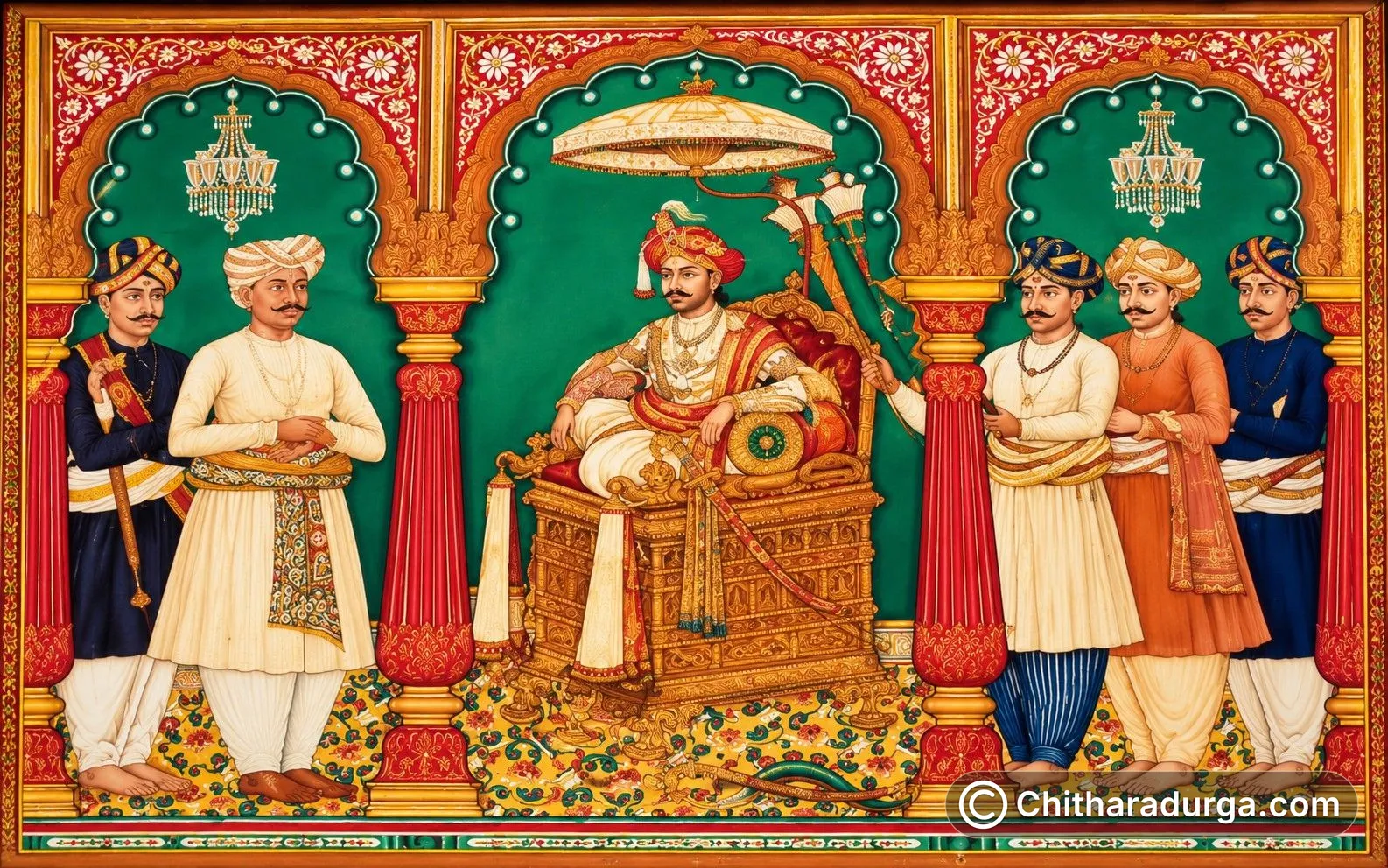
A Noble Soul Who Believed That Feeding the Hungry Was Service to Humanity
The history of Chitradurga is not limited to its magnificent fort, stone walls, Nayaka rulers and legendary battles. The social and cultural history of this land was also shaped by philanthropists, merchants and public-spirited individuals who dedicated a part of their wealth and lives to the welfare of society.
Among such remembered personalities is Kashi Appanna Shetty of Chitradurga.
Kashi Appanna Shetty is remembered in connection with the tradition of Annadana—the charitable offering of food—and public service. His name is particularly associated with an Annadana Chhatra, representing an important tradition of hospitality, compassion and service to travellers and the needy.
Annadana – The Noble Tradition of Offering Food
Indian culture has long regarded Annadana, the offering of food to the hungry, as one of the noblest forms of charity.
Feeding a hungry person is more than simply providing a meal. It is an act that sustains life and expresses compassion towards another human being.
In earlier times, modern hotels, public transportation and accommodation facilities were not widely available. Travellers often covered long distances on foot or by bullock cart. Pilgrims, traders, wandering saints and poor travellers depended upon community-supported institutions for food, water and shelter.
Chhatras therefore played an important role in the social life of towns and pilgrimage routes.
Kashi Appanna Shetty is remembered as one of the personalities associated with this culture of generosity in Chitradurga.
Kashi Appanna Shetty's Annadana Chhatra
The Annadana Chhatra associated with Kashi Appanna Shetty forms a memorable part of Chitradurga's social heritage.
A Chhatra was much more than a building. In traditional society, it functioned as a centre of public hospitality and service.
A tired traveller could find rest. A hungry person could receive food. Poor people could find assistance, while pilgrims and visitors arriving from distant places could receive hospitality.
Behind the idea of an Annadana Chhatra was a simple but powerful humanitarian principle:
No person who comes to our town should have to leave hungry.
It was this spirit of service and generosity that gave the institution its true significance.
Service Outlives Wealth
Wealth can change hands. Buildings can disappear or be transformed. Even cities change dramatically with time.
But service rendered for the welfare of people can remain in public memory for generations.
The significance of philanthropists such as Kashi Appanna Shetty lies in this enduring legacy.
Sharing one's resources with society, feeding the hungry and helping people in need represent values closely associated with the memory of such charitable traditions.
Through Annadana, what was offered was not merely a plate of food. It was also an expression of humanity, dignity, compassion and hospitality.
Chitradurga's Tradition of Commerce and Charity
Chitradurga historically developed as an important regional centre where merchants and trading communities contributed to economic and social life.
Many prosperous families followed the tradition of setting aside a portion of their earnings for religious, charitable and public purposes.
Temples, Chhatras, drinking-water facilities, accommodation for travellers, food distribution and other forms of community service became expressions of this philanthropic culture.
The memory of Kashi Appanna Shetty can be understood within this larger tradition of Chitradurga's social history.
A Historical Memory Connected with Mysore
Accounts preserving the memory of Kashi Appanna Shetty also refer to his connection with the Mysore royal establishment, including a recollection concerning an old photograph associated with the Maharaja of Mysore.
Such references provide an interesting indication of Appanna Shetty's place among the notable personalities remembered from Chitradurga during his period.
However, further examination of archival records, family documents, inscriptions and historical photographs would be valuable in establishing more precisely his dates, family history, profession and the detailed history of the Annadana Chhatra.
A Humanitarian Philosophy Behind the Chhatra
The story of the Annadana Chhatra should not be regarded merely as the history of a building. The philosophy behind it is much greater:
Food for the hungry.
Rest for the weary.
Shelter for the traveller.
Help for the helpless.
This represents the true spirit of the traditional Chhatra and Dasoha system.
Philanthropists of earlier generations believed that wealth should not remain limited to personal prosperity. A part of it should return to the society from which that prosperity emerged.
The name of Kashi Appanna Shetty reminds us of this culture of social responsibility.
An Inspiration for New Generations
The nature of social service has changed considerably over time. Today charitable trusts, voluntary organisations, foundations and other institutions undertake organised welfare activities.
Yet the fundamental principle remains unchanged:
A part of what we receive from society should be returned for the welfare of society.
Seen from this perspective, the charitable traditions associated with personalities such as Kashi Appanna Shetty continue to offer inspiration to new generations.
A Name Worth Preserving in Chitradurga's History
When documenting the history of Chitradurga, it is important to remember not only kings, Nayaka rulers, warriors and freedom fighters, but also the philanthropists and public servants who helped build society.
A town's history is not created by rulers and battles alone.
Those who fed the hungry, provided shelter to travellers, supported the poor and extended a helping hand to people in distress are also builders of its history.
In that tradition, Kashi Appanna Shetty and the Annadana Chhatra associated with his name deserve a meaningful place in the social and humanitarian history of Chitradurga.
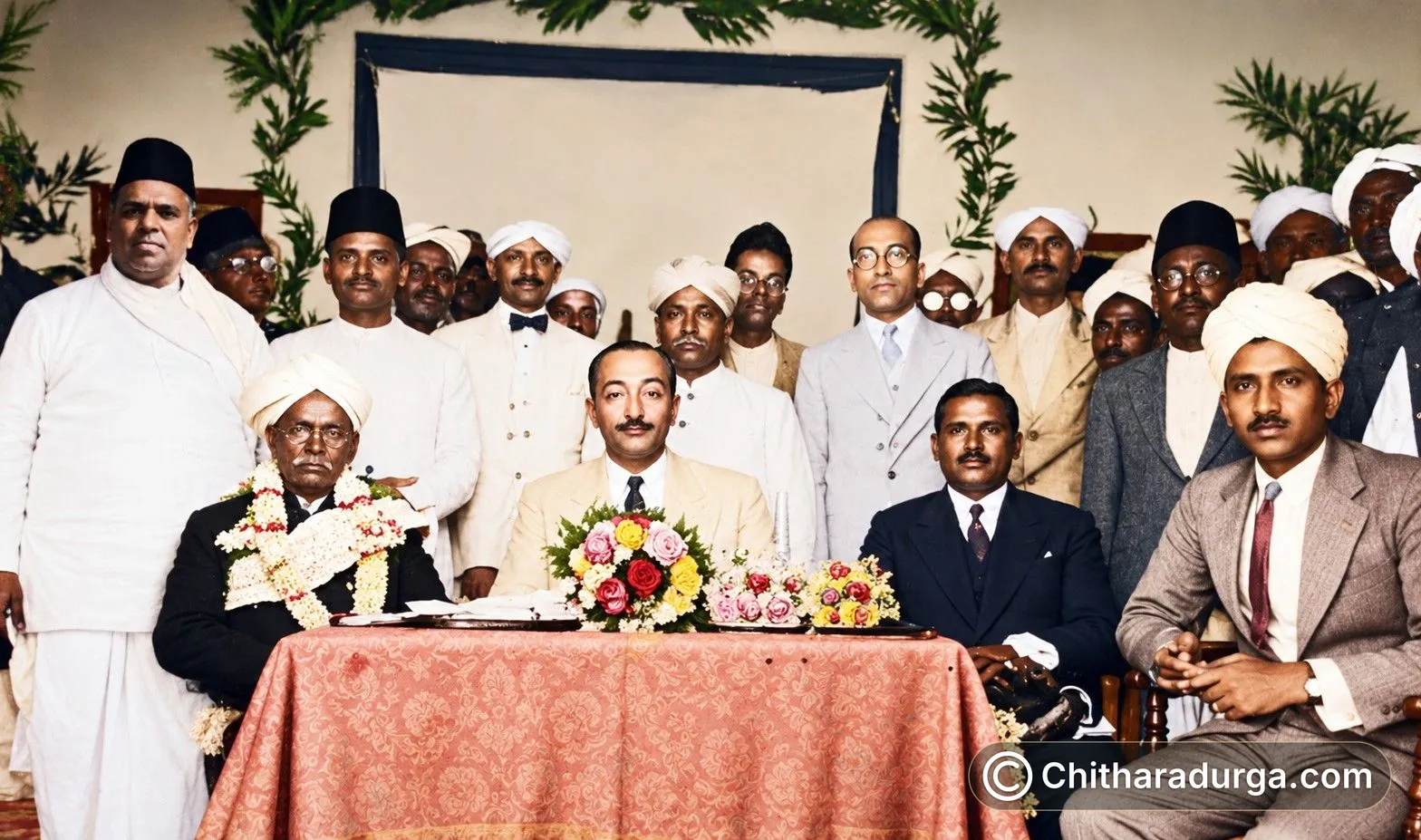
A Memory Immortalised Through Annadana
Human life is temporary, but acts of service can survive for generations.
Hands that fed the hungry, hearts that helped the distressed and institutions created for public welfare can keep a person's memory alive long after his lifetime.
The memory of Kashi Appanna Shetty therefore conveys a simple but profound message:
True wealth is not merely what we possess, but what we are willing to share for the welfare of others.
In Chitradurga's tradition of Annadana, Dasoha, charity and humanitarian service, the name Kashi Appanna Shetty deserves to be remembered with respect.