Sri Malladihalli Raghavendra Swamy (Tiruka) - Yoga, Ayurveda, education and social service
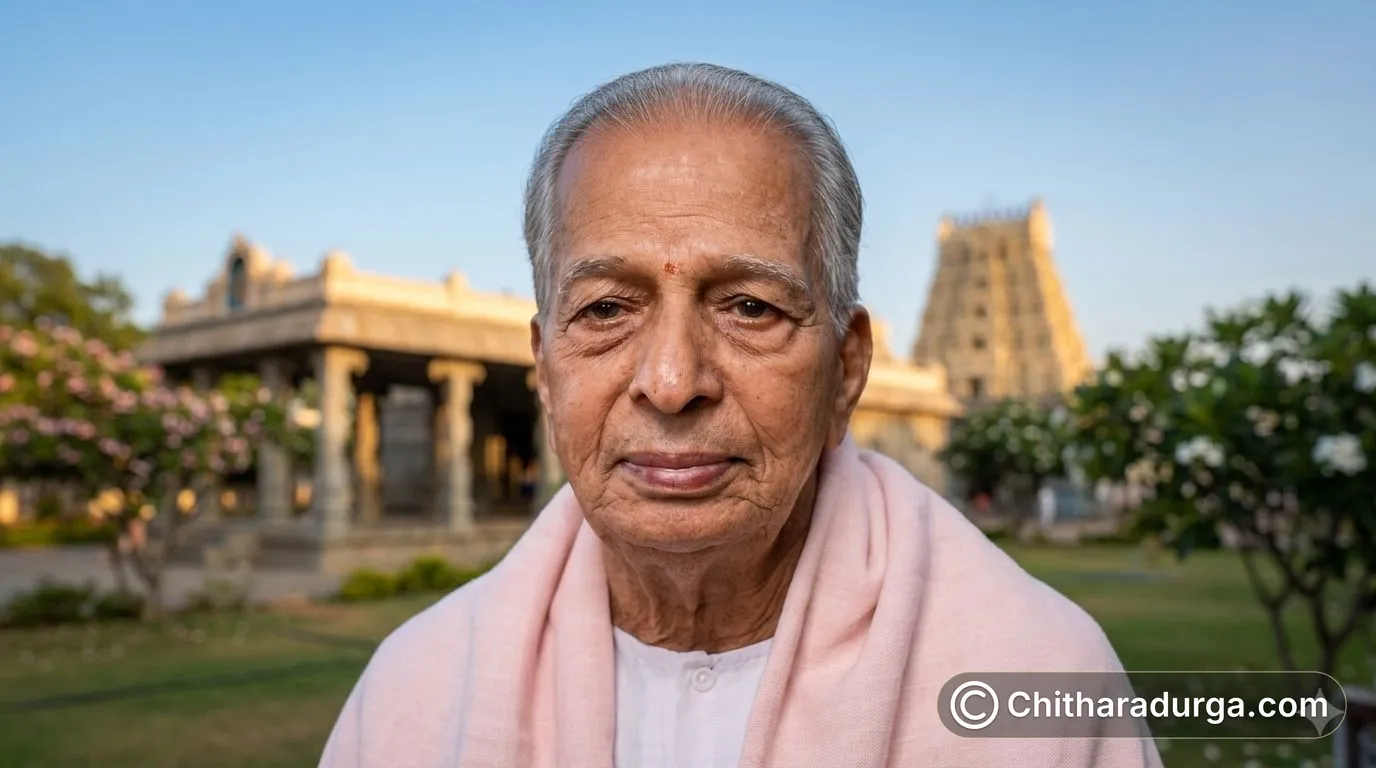
A Great Practitioner of Service, Yoga, Ayurveda and Humanity
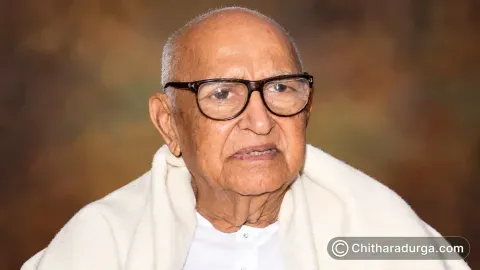
Sri Malladihalli Raghavendra Swamy, popularly known as “Tiruka,” occupies a distinguished place in Karnataka’s tradition of yoga, Ayurveda, education and social service. A yoga teacher, Ayurvedic practitioner, social reformer, educator and writer, he dedicated his long life to the welfare of society.
Although born elsewhere in Karnataka, he made Malladihalli in Holalkere Taluk of Chitradurga district his principal field of service and transformed the small village into a remarkable centre of yoga, Ayurveda, education and humanitarian activity.
Early Life
Sri Raghavendra Swamy was born on 27 July 1890 at Barkur in Karnataka. He was known as Kumaraswamy during his childhood.
From an early age, he displayed an inclination towards spirituality, physical discipline, music and traditional arts. He developed an interest in Carnatic music, devotional singing, Yakshagana, drama and other cultural forms.
During different stages of his life, he came into contact with teachers and practitioners of yoga, physical culture and Ayurveda. He studied Hatha Yoga, yogasanas, pranayama, physical exercise and traditional healing practices.
Rather than keeping this knowledge for himself, he chose to use it for improving the health and lives of ordinary people.
Arrival at Malladihalli
The year 1943 became a turning point in his life. During his travels for social service and yoga education, Raghavendra Swamy arrived at Malladihalli and conducted a training camp for young people, combining yoga with values and disciplined living.
Around that period, the village faced a cholera outbreak. Drawing upon his knowledge of Ayurveda and healthy living, Swamiji dedicated himself to serving affected families. He visited homes, promoted cleanliness and proper food habits and provided whatever medical assistance he could.
His service deeply impressed the villagers, who requested him to remain in Malladihalli permanently.
Malladihalli consequently became his Karmabhoomi — the land of his life's work.
Establishment of Anatha Sevashrama
In 1943, he established the Anatha Sevashrama at Malladihalli. What began as a humble service initiative gradually developed into a major centre of education, healthcare, yoga and social service.
The welfare of poor and disadvantaged people remained central to his mission. He believed that resources received from society should ultimately be returned to society through service.
Pioneer of Yoga
Yoga became one of the strongest pillars of Raghavendra Swamy’s work.
He did not present yoga merely as a spiritual practice. For him, it was a practical way of developing a healthy body, disciplined mind and balanced life.
He popularised yogasanas, pranayama, Surya Namaskara and physical exercises among students, youth and ordinary people.
In 1953, he initiated an organised Patanjala Mula Yoga training programme at Malladihalli. His efforts contributed greatly to creating awareness of yoga and physical fitness across Karnataka.
Ayurveda and Healthcare
Ayurveda formed another important dimension of his service.
Raghavendra Swamy believed that good health depended not only on medicine but also on food, exercise, breathing, cleanliness and disciplined living.
He particularly wanted rural and economically disadvantaged people to have access to healthcare. Ayurvedic treatment and health services therefore became important activities associated with his institution at Malladihalli.
His legacy later contributed to the development of Ayurvedic healthcare and medical education institutions in the village.
Contribution to Education
For Raghavendra Swamy, education was much more than academic learning.
He believed that genuine education should develop knowledge, physical fitness, discipline, morality, self-reliance and a spirit of service.
Educational institutions established and developed at Malladihalli provided opportunities to rural students while giving importance to yoga and physical education.
Malladihalli consequently developed into an unusual centre where education, healthcare, physical culture and social service complemented one another.
The Writer Called “Tiruka”
Raghavendra Swamy was also a prolific writer. He wrote in Kannada under the name “Tiruka.”
His writings covered yoga, Ayurveda, physical health and practical approaches to healthy living.
Among the works associated with him are Swayam Vaidya, Dehaswasthyakkagi Yogasanagalu, Surya Namaskara, Pranayama and Angamardhana.
Through these books, he attempted to make traditional knowledge about health and physical well-being understandable and accessible to ordinary people.
Why “Tiruka”?
The name “Tiruka,” meaning a wandering mendicant or beggar, came to symbolise his humility and detachment from material wealth.
He lived simply and devoted resources collected from society to institutions and activities intended for public welfare.
The begging bowl associated with him thus became more than a symbol of poverty. It represented his philosophy of receiving from society only to give back to society.
Simple Living and Great Achievement
Despite becoming a respected yoga teacher, healer and institution-builder, Raghavendra Swamy remained known for simplicity.
His philosophy could be understood through three ideals: a healthy body, a disciplined mind and a compassionate heart.
Service was not an occasional activity for him. It was a way of life.
Medicine for the sick, education for children, yoga for the young and values for society were different expressions of the same humanitarian philosophy.
Final Years and Legacy
Sri Malladihalli Raghavendra Swamy passed away on 21 August 1996, after a remarkably long life.
His physical journey ended, but the movement he created did not.
The institutions and traditions associated with education, yoga, Ayurveda and service at Malladihalli continue to preserve his memory.
Pride of Chitradurga
Chitradurga district is known for warriors, thinkers, writers and social reformers. Malladihalli Raghavendra Swamy holds a unique place in its modern social history.
Though he was not born in Chitradurga district, he chose Malladihalli as his Karmabhoomi and helped bring recognition to this small village far beyond the district.
His life rested upon four powerful pillars:
Health through Yoga, Healing through Ayurveda, Knowledge through Education and Humanity through Service.
Conclusion
The life of Sri Malladihalli Raghavendra Swamy demonstrates how one individual, armed with knowledge, discipline and compassion, can transform an entire community.
The man who humbly called himself “Tiruka” became rich in the most meaningful sense — through the lives he touched and the institutions he inspired.
His enduring message may be expressed simply:
“Keep the body healthy, discipline the mind, share knowledge and dedicate life to the service of humanity.”
That spirit continues to keep the memory of Malladihalli Raghavendra Swamy alive.