Ta. Ra. Su. – The Literary Voice That Immortalised Chitradurga
Ta. Ra. Su. – The Literary Voice That Immortalised Chitradurga
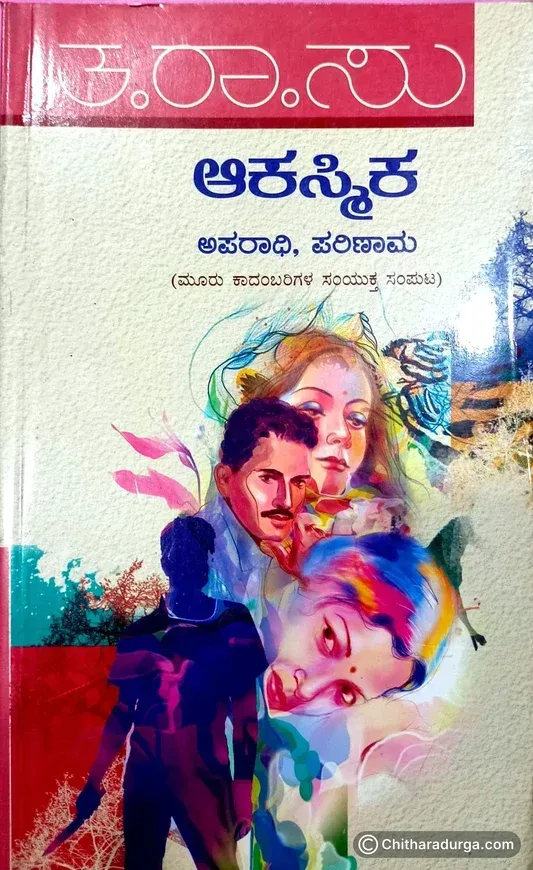
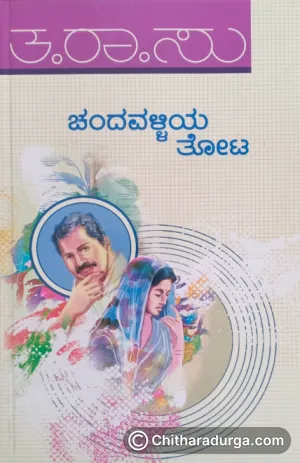
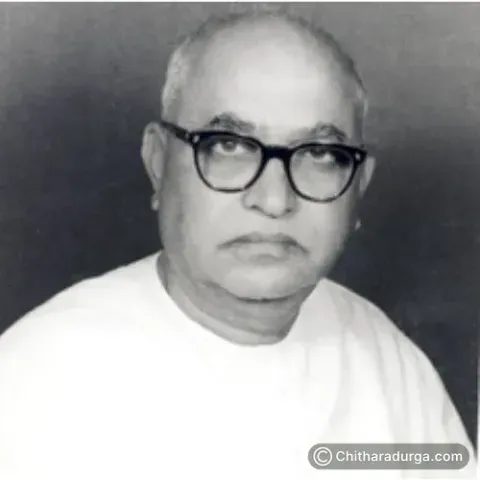
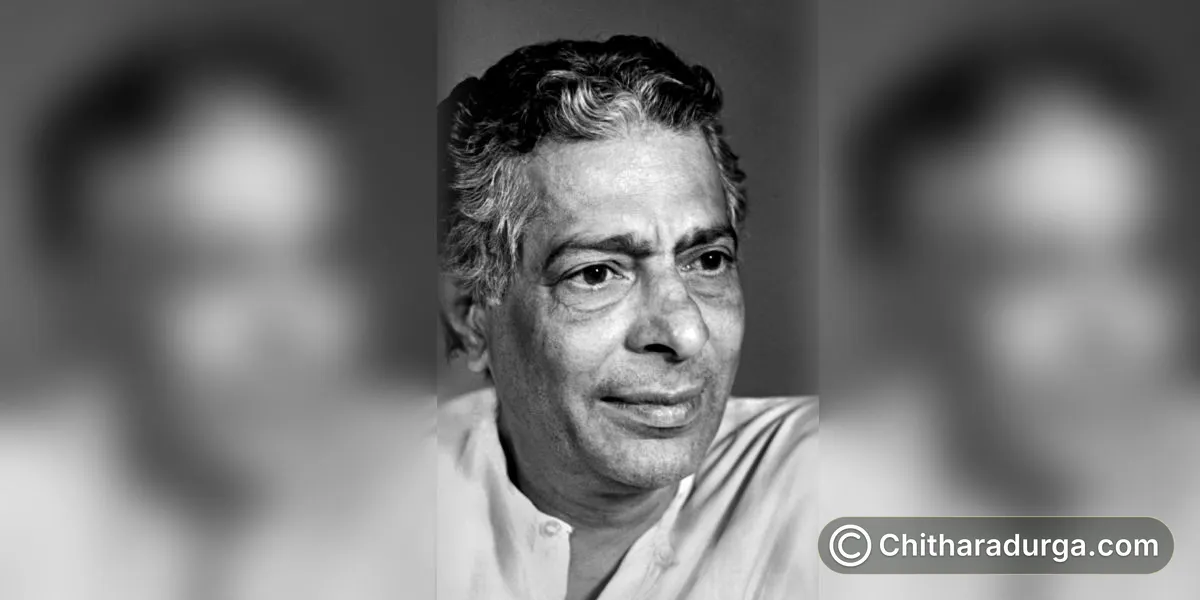
Taluku Ramaswamaiah Subba Rao (21 April 1920 – 10 April 1984), popularly known by his pen name Ta. Ra. Su. (ತ.ರಾ.ಸು.), occupies a distinguished place in modern Kannada literature. A novelist, short-story writer and literary figure, he became especially renowned for transforming the history of Chitradurga into compelling historical fiction.
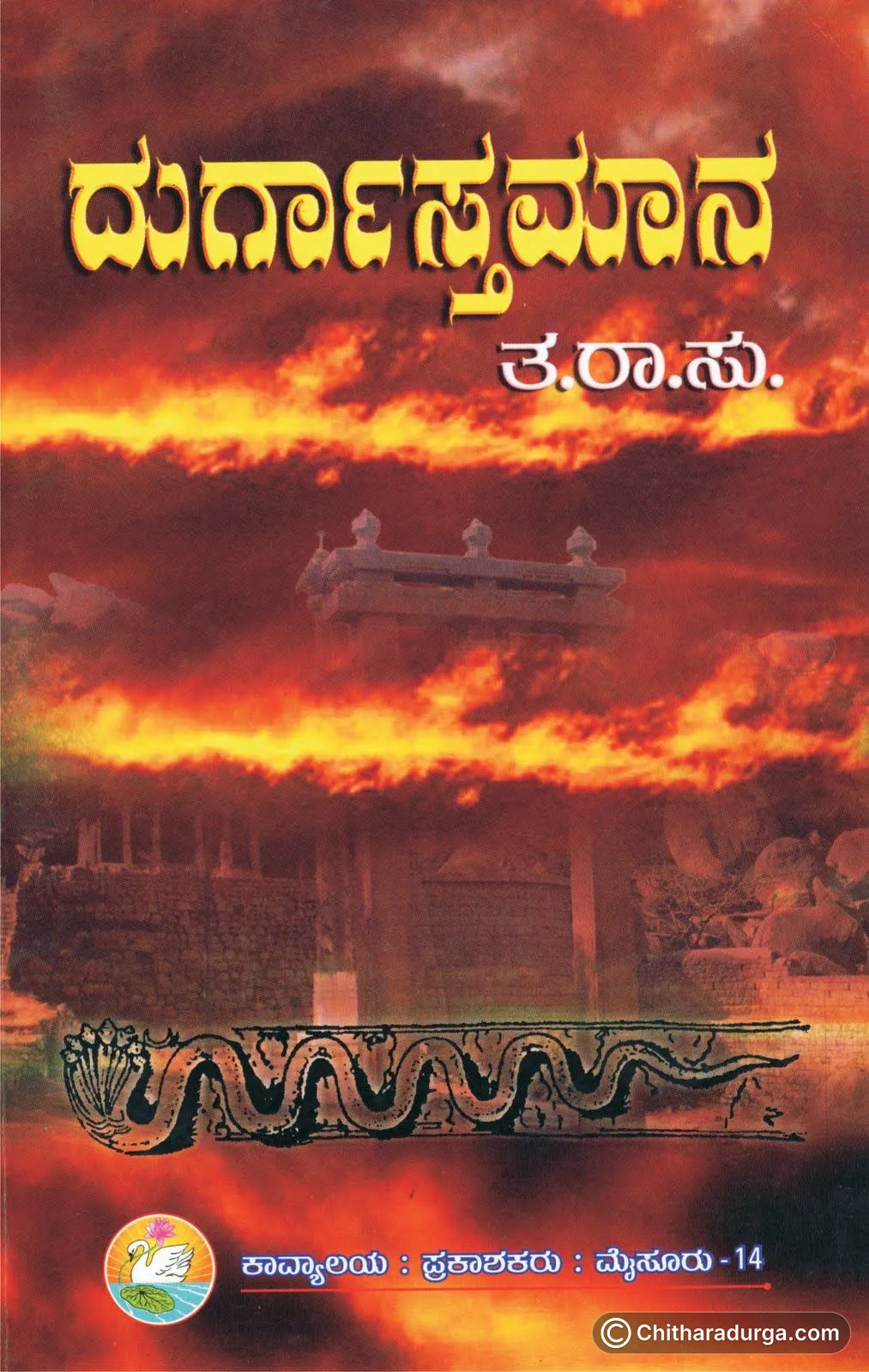
His celebrated masterpiece Durgastamana brought the final chapter of the Nayakas of Chitradurga vividly into Kannada literature and earned him the Sahitya Akademi Award posthumously in 1985.
For readers of Kannada, Ta. Ra. Su. is more than a novelist. Through his writing, the rulers, warriors, political struggles, fort and cultural memory of Chitradurga acquired a powerful literary life.
Early Life and Roots in Chitradurga
Ta. Ra. Su.'s full name was Taluku Ramaswamaiah Subba Rao. He was born on 21 April 1920. Sources consistently connect his family roots with Taluku in the Chitradurga region, although biographical references differ on whether his birthplace itself should be identified as Taluku or Malebennur.
His association with Chitradurga, however, went far beyond ancestry. Its villages, people, history and freedom movement influenced his formative years.
As a young man, he became involved in India's freedom struggle. Biographical accounts describe him travelling through villages in the Chitradurga region, singing patriotic songs and addressing people about independence. His participation in the freedom movement also resulted in imprisonment.
These experiences helped shape a writer deeply conscious of history, society, freedom and human conflict.
Beginning of a Literary Journey
Ta. Ra. Su. grew up in an intellectual environment connected with Kannada literature. His uncle T. S. Venkannaiah was an important Kannada scholar and teacher.
An often-recounted episode from Ta. Ra. Su.'s youth concerns his first story, Puttana Chendu, which he is said to have written following a challenge involving his uncle. What began as a youthful literary effort eventually developed into a remarkable career.
Ta. Ra. Su. went on to write novels, short stories and historical fiction while experimenting with different narrative forms. He contributed during an important period of transition in twentieth-century Kannada literature.
The Writer Who Brought Chitradurga's History to Life
Ta. Ra. Su.'s name has a particularly strong connection with Chitradurga's historical novels.
He did not merely use Chitradurga as a geographical setting. He explored its rulers, political conflicts, personalities, loyalties, betrayals and battles and transformed them into dramatic literary narratives.
Among the works associated with Chitradurga's history are:
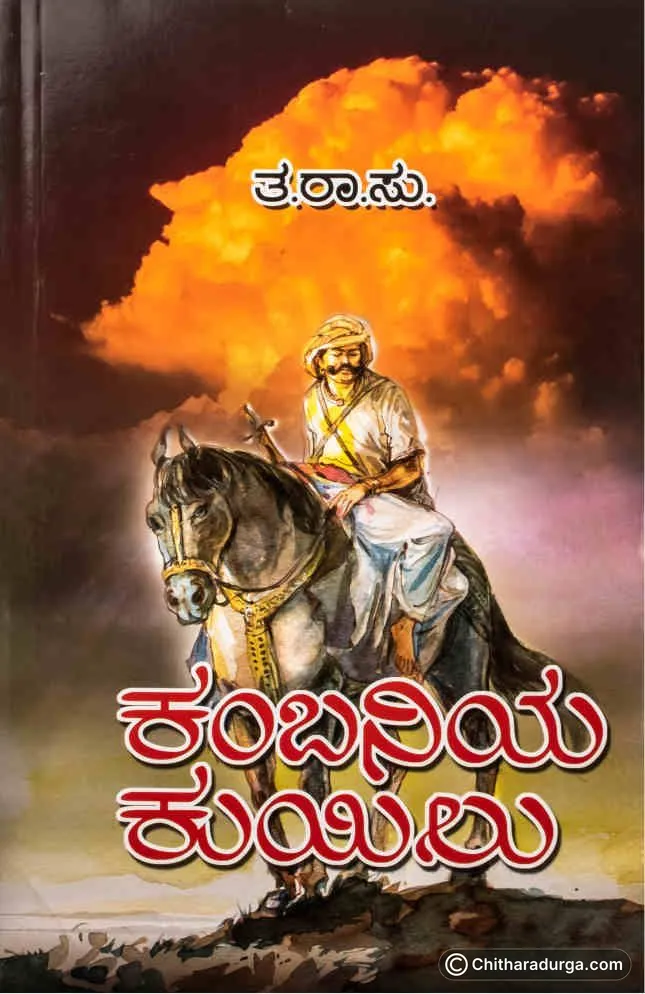
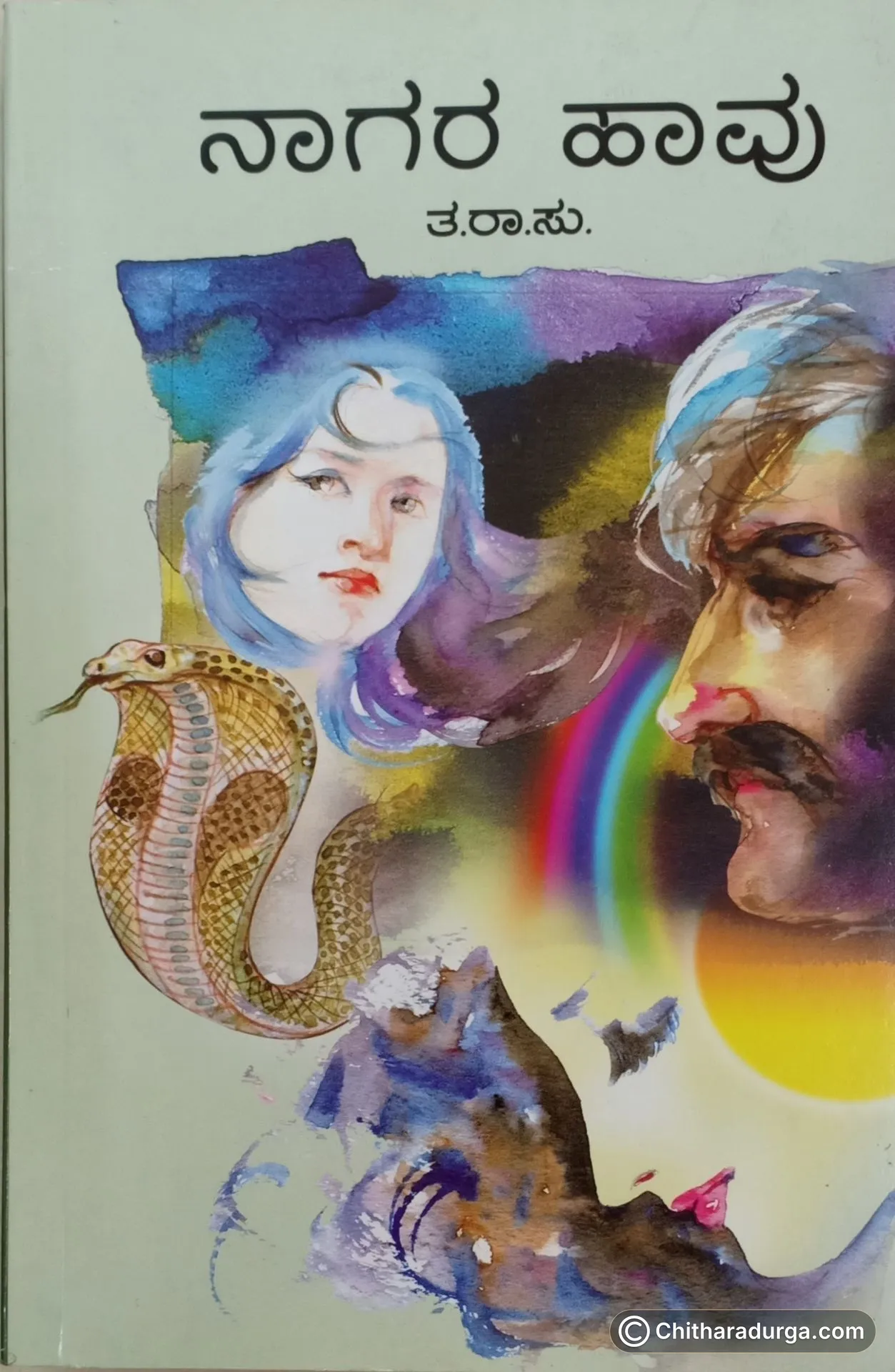
Kambaniya Kuyilu, Tirugubana, Raktaratri, Kasturi Kankana and ultimately his monumental Durgastamana.
Through these works, generations of Kannada readers encountered the world of the Chitradurga Nayakas not merely as names in history books but as living characters within an unfolding human drama.
Durgastamana – His Monumental Masterpiece
Among all his works, Durgastamana holds a special position.
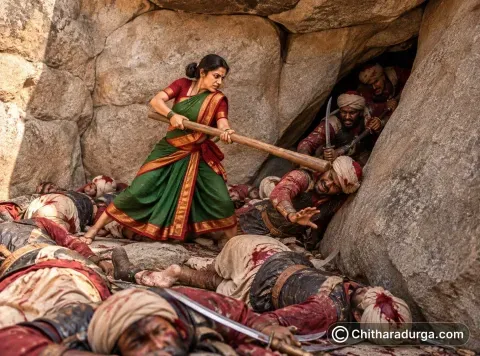
The title evokes the fall or sunset of Chitradurga. The novel centres on the final phase of Nayaka rule and the conflict involving Madakari Nayaka and Hyder Ali, culminating in the fall of Chitradurga.
Ta. Ra. Su. undertook extensive historical research before and during its composition. The novel became his final major work and was completed shortly before the end of his life.
Durgastamana combines history with literary imagination, political intrigue, warfare, loyalty, tragedy and human emotion. Through its pages, the rocky fort and the world surrounding Madakari Nayaka acquire dramatic literary presence.
The work subsequently received one of India's important literary honours.
In 1985, the Sahitya Akademi Award for Kannada was conferred on Ta. Ra. Su. for Durgaasthamaana. The honour was posthumous, as the author had died the previous year.
Beyond Historical Novels
Although his Chitradurga novels became central to his reputation, Ta. Ra. Su.'s literary contribution was considerably broader.
His works dealt with social life, individual psychology, relationships, political change and the contradictions of modern society. He experimented with narrative techniques and participated in the evolution of modern Kannada fiction.
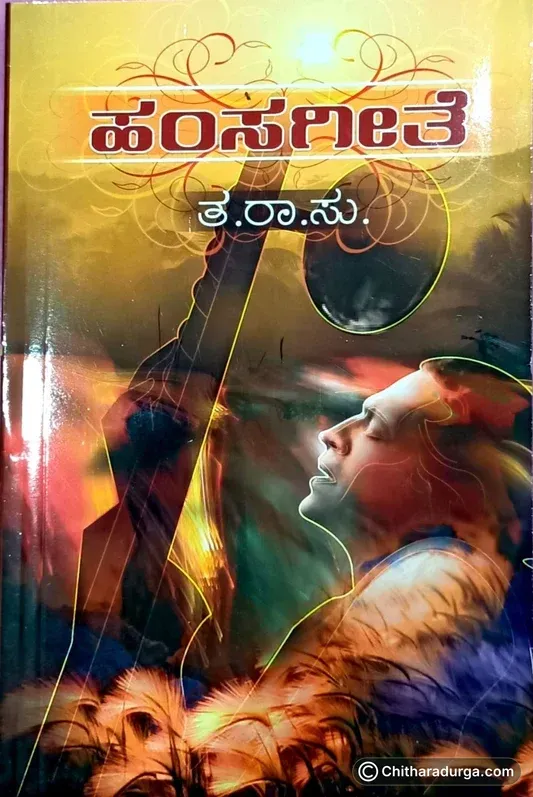
Among his other widely known works is Hamsageethe, which became an important Kannada literary work and was adapted for the screen.
His fiction demonstrated that he could move between history and contemporary society while maintaining a strong interest in human character and emotional conflict.
History Through Literature
One of Ta. Ra. Su.'s greatest strengths was his ability to make history emotionally accessible.
Historical writing can sometimes become a sequence of dates, battles and rulers. Ta. Ra. Su. transformed such material into stories of ambition, loyalty, courage, love, political intrigue and tragedy.
His historical novels encouraged readers to imagine the human beings behind historical events.
This approach had particular significance for Chitradurga. Through literature, he helped preserve and popularise the memory of a region with a remarkable political and cultural past.
Ta. Ra. Su. and Chitradurga – An Enduring Bond
The relationship between Ta. Ra. Su. and Chitradurga remains visible even decades after his death.
The Government of Karnataka's Chitradurga district website identifies him among the important modern writers associated with the district. In the heart of Chitradurga city, a major performing-arts auditorium has been named Ta. Ra. Su. Rangamandira in his honour.
This recognition is especially appropriate because few writers have done as much to carry Chitradurga's historical imagination into the homes of Kannada readers.
The fort may preserve Chitradurga's history in stone.
Ta. Ra. Su. preserved much of its memory in words.
Final Years and Literary Legacy
Ta. Ra. Su. died on 10 April 1984, only days before what would have been his 64th birthday. His literary influence, however, continued to grow after his death.
The posthumous Sahitya Akademi Award for Durgastamana in 1985 added national recognition to a work already deeply associated with Kannada historical fiction. Decades later, the Sahitya Akademi commemorated his birth centenary with a symposium devoted to his life and writings.
The Storyteller of Chitradurga
For Chitradurga, Ta. Ra. Su.'s legacy carries a special meaning.
The district gave him history, landscape, characters and inspiration.
In return, he gave Chitradurga a powerful literary voice.
Through his novels, the stone walls of the fort, the courts of the Nayakas, the struggles of Madakari Nayaka and the dramatic final days of an era reached generations of readers.
Ta. Ra. Su. did not merely write about Chitradurga's history—through literature, he helped keep its historical memory alive.
That enduring bond makes Ta. Ra. Su. one of the most significant literary personalities associated with Chitradurga and one of the memorable voices of modern Kannada literature.
Gallery