
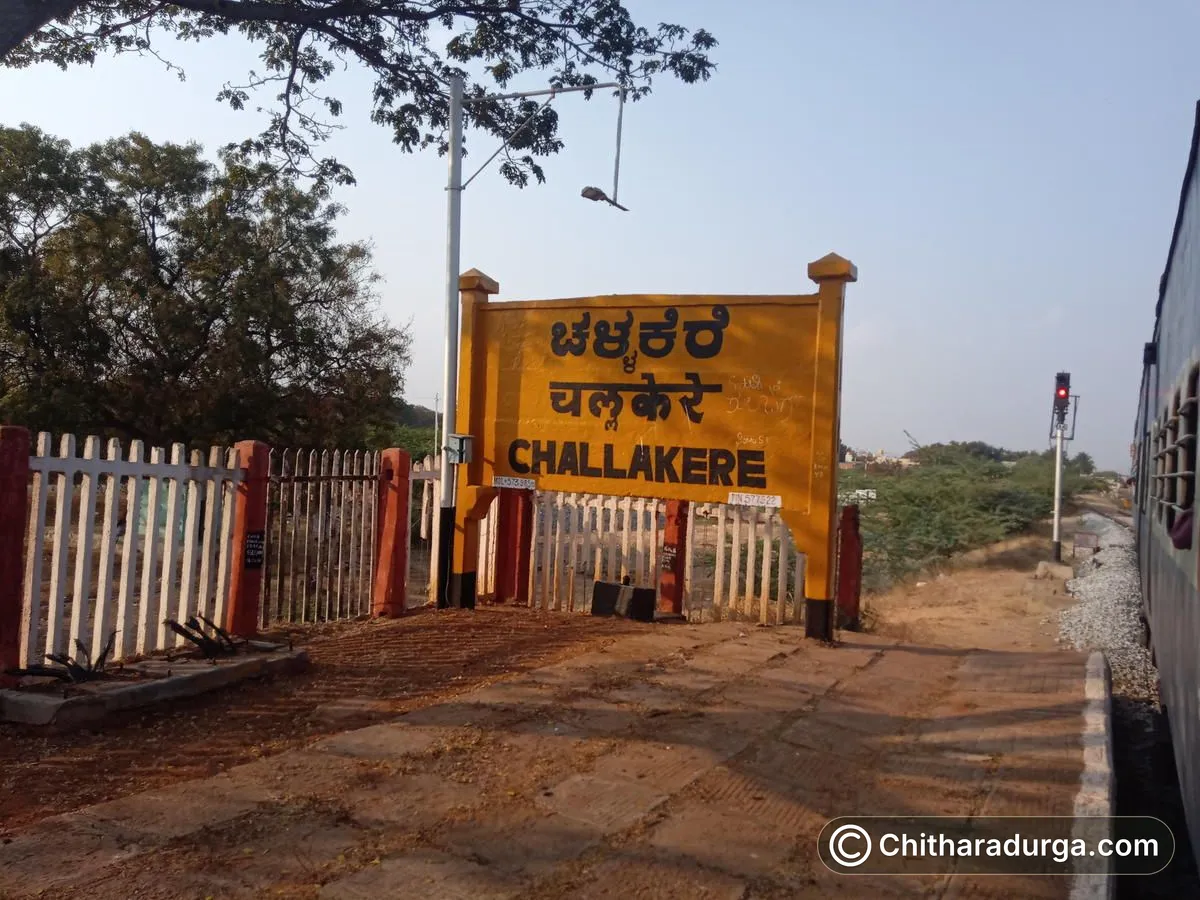
Challakere – From Historic Nayaka Territory to Karnataka’s Emerging Science City
Challakere – From Historic Nayaka Territory to Karnataka’s Emerging Science City
In the eastern part of Chitradurga district lies Challakere, a city and taluk that brings together history, traditional commerce, agriculture, education and modern scientific development. Once part of the historic landscape influenced by the Nayakas of Chitradurga, Challakere has steadily evolved into an important commercial centre and, more recently, a nationally significant hub for science, research and advanced technology.
Known traditionally for its edible-oil trade and oil mills, Challakere earned recognition as an “Oil City.” In the twenty-first century, the establishment of major scientific and strategic research facilities in and around the taluk has given it another identity—“Science City.”
This remarkable transition—from a traditional trading town surrounded by a semi-arid rural landscape to a centre associated with some of India's leading scientific institutions—makes Challakere one of the most interesting places in Chitradurga district.
Challakere – An Important Taluk of Chitradurga
Challakere is one of the major taluk headquarters of Chitradurga district in Karnataka. The city serves as an important administrative, educational and commercial centre for a large rural region surrounding it.
The landscape of Challakere taluk reflects the distinctive character of eastern Chitradurga: open plains, rocky terrain, dryland agriculture and a climate shaped by relatively limited rainfall.
For generations, people in the region have adapted their livelihoods to these conditions through agriculture, livestock rearing, trading and small-scale industries.
Its road connectivity has also contributed significantly to Challakere's development as a regional trading centre connecting Chitradurga with neighbouring parts of Karnataka and Andhra Pradesh.
Historical Connection with the Nayakas of Chitradurga
The history of Challakere cannot be separated from the larger history of Chitradurga and its Nayaka rulers.
For more than two centuries, the Nayakas of Chitradurga emerged as an important regional power. Their influence extended beyond the great stone fortress of Chitradurga into surrounding towns, villages and strategic territories.
Challakere and the surrounding region formed part of this broader historical landscape.
The Nayaka period shaped the political, military, economic and cultural development of much of present-day Chitradurga district. Local traditions, temples, settlements and historic sites across Challakere taluk continue to preserve memories connected with this period.
This historical association gives Challakere an important place in understanding the wider story of the Chitradurga Nayakas—not merely as rulers of a fort, but as a dynasty whose influence extended across the surrounding countryside.
Nayakanahatti – A Historic and Spiritual Centre
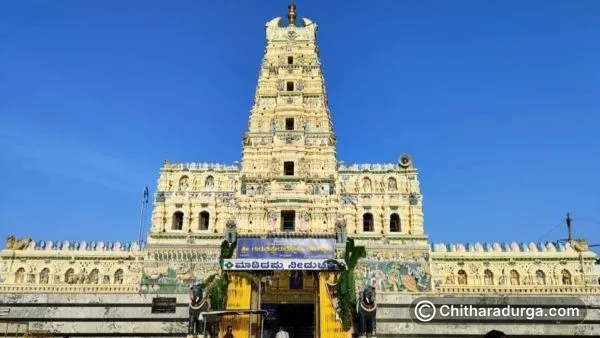
Among the most culturally important places in Challakere taluk is Nayakanahatti, associated with the revered saint Sri Guru Thipperudraswamy.
The famous saying associated with the saint—
“Kayakave Kailasa” – Work itself is worship
—reflects a philosophy of service, labour and devotion.
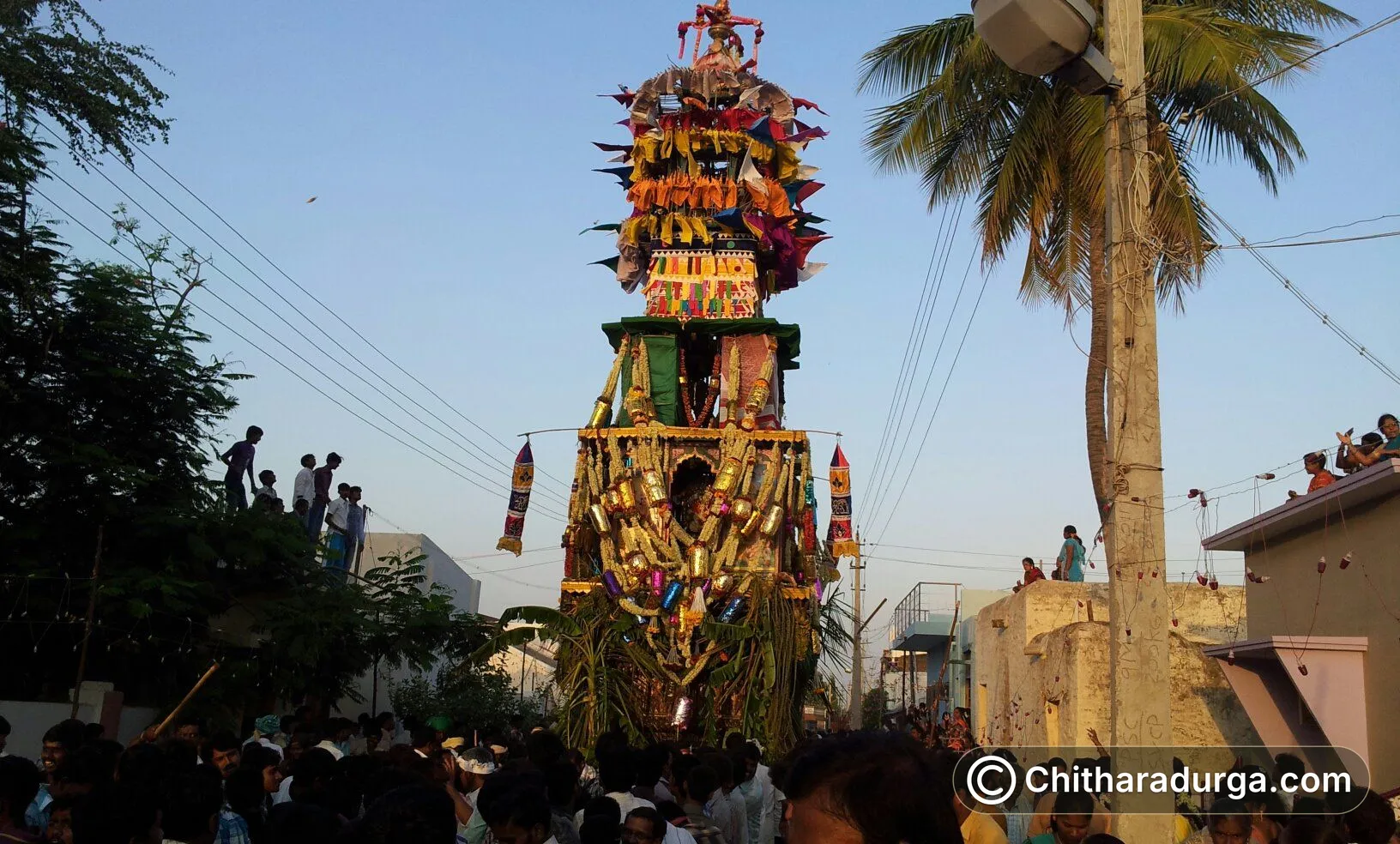
The annual Nayakanahatti Jatre is one of the major religious gatherings of the region, attracting large numbers of devotees.
Nayakanahatti adds an important spiritual and cultural dimension to the identity of Challakere taluk and demonstrates how local history, faith and community traditions have continued across generations.
Challakere – The Oil City
For decades, Challakere has been popularly associated with the edible-oil industry.
The surrounding dryland agricultural region traditionally produced oilseeds, particularly groundnut, creating the foundation for a strong local oil-processing and trading economy.
Groundnuts arriving from surrounding villages were traded in Challakere and processed through numerous oil mills. Oil production, oilseed trading and associated commercial activity became important parts of the local economy.
This concentration of oil mills and groundnut trade helped Challakere acquire the popular identity:
“Oil City of Karnataka”
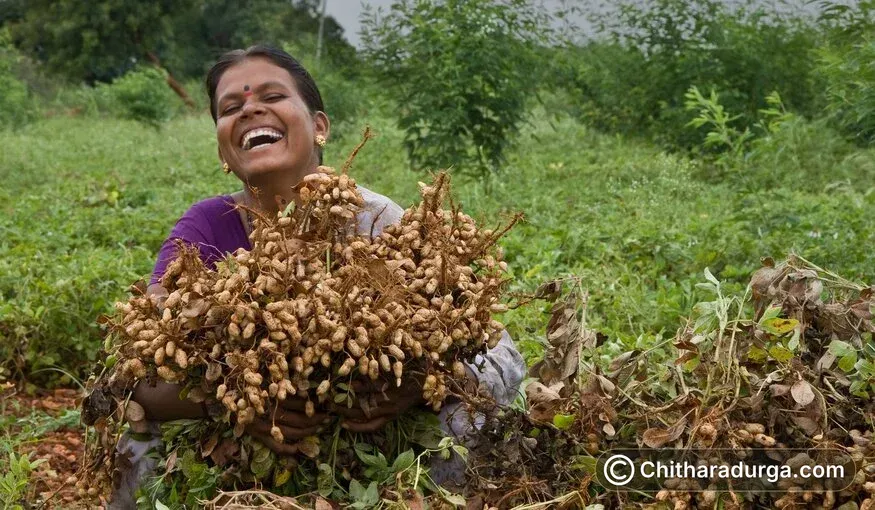
For many years, the sight of groundnut produce arriving from rural areas, traders conducting business and oil mills operating across the town formed an important part of Challakere's economic character.
Although the economy has diversified considerably, the title Oil City remains an important part of Challakere's commercial heritage.
Agriculture and the Rural Economy
Agriculture continues to play a central role in Challakere taluk.
Because the region receives comparatively limited rainfall, farmers have traditionally depended on crops suitable for dryland conditions. Groundnut became particularly important and helped support the development of the local edible-oil industry.
Other crops and agricultural activities have also contributed to the rural economy, while livestock has long been important to families in the region.
The relationship between Challakere city and its surrounding villages is therefore extremely close.
The city functions as a market and service centre where rural communities come for trade, education, healthcare, banking, transportation and other requirements.
From Oil City to Science City
One of the most remarkable chapters in Challakere's modern development began when the region attracted some of India's leading scientific and strategic research institutions.
The availability of a large stretch of relatively open land and the region's geographical characteristics contributed to the development of a major science and research cluster around Challakere.
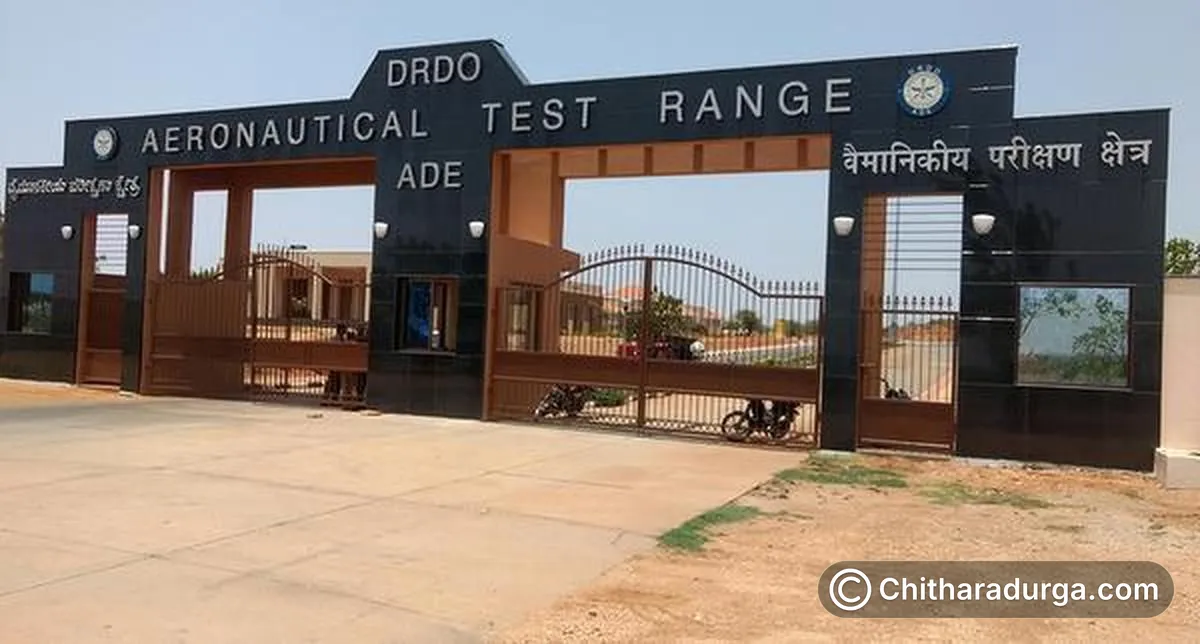
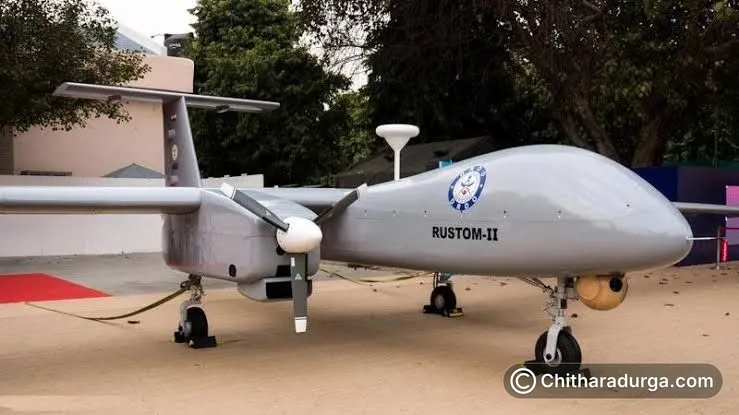
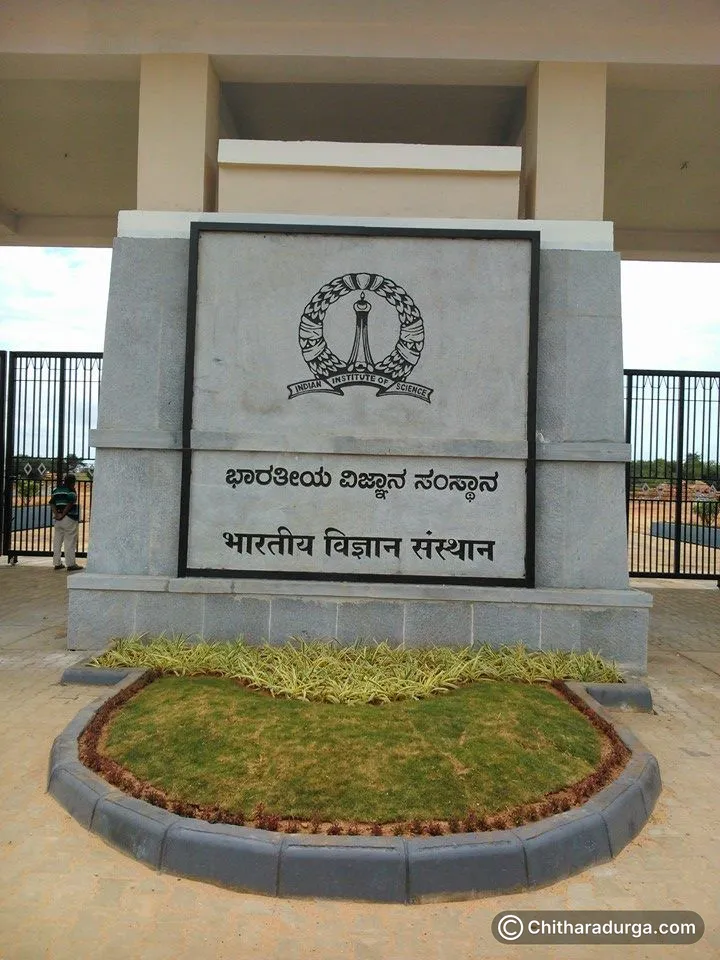
Today, the area is associated with organisations and projects connected with institutions such as the Indian Institute of Science (IISc), Defence Research and Development Organisation (DRDO), Bhabha Atomic Research Centre (BARC) and Indian Space Research Organisation (ISRO).
This concentration of major national institutions has dramatically changed the way Challakere is viewed.
The town once widely recognised primarily for oil mills and agricultural commerce is increasingly recognised as an emerging Science City of Karnataka.
A Nationally Important Science and Research Hub
The scientific development around Challakere is significant because it brings together different areas of advanced research and national technological capability.
The region has become associated with research and infrastructure involving aerospace, defence technology, advanced science, energy-related research and academic experimentation.
The presence of the Indian Institute of Science is particularly significant. Its Challakere campus provides opportunities for large-scale scientific experiments and research activities that require extensive land and specialised facilities.
Similarly, the presence of national defence, atomic-research and space-related establishments has placed Challakere on India's broader scientific map.
This development represents a remarkable transformation in the identity of the taluk.
**Yesterday – Agriculture and Oil Mills
Today – Science, Research and Technology
Tomorrow – Innovation and Knowledge**
Challakere and India's Space Ambitions
Challakere's association with India's space programme has added another dimension to its modern identity.
The region has been selected for important infrastructure associated with India's expanding space capabilities, further strengthening Challakere's position as a strategic science and technology location.
For a town in a traditionally drought-prone district, the emergence of advanced research establishments represents an extraordinary transition.
It also creates opportunities for supporting industries, skilled employment, education, infrastructure and future technological development.
Education and a Changing Generation
As Challakere grows, education is becoming increasingly important to the city's future.
Schools, colleges and technical education have expanded over the years, serving students not only from Challakere but also from surrounding villages.
The emergence of nationally important scientific institutions in the taluk creates a particularly powerful aspiration for younger generations.
A region historically known for farmers, traders and oil industries now has the opportunity to inspire future scientists, engineers, researchers and technology professionals.
The long-term value of Challakere's Science City identity may therefore extend far beyond laboratories and research campuses—it can influence the ambitions of an entire generation.
Commerce and Growing Urban Life
Challakere continues to serve as an active commercial centre.
Its markets connect agricultural producers, merchants, retailers and consumers from a wide surrounding region. Businesses related to agriculture, automobiles, computers and technology, construction, financial services, education, healthcare and general retail have expanded as the city has grown.
Improved connectivity and growing institutional activity are gradually changing its urban character.
Yet Challakere retains the atmosphere of a regional town closely connected to its surrounding villages.
This combination of traditional commerce and emerging technology gives the city a distinctive identity.
Culture, Festivals and Community Life
Challakere taluk has a rich tradition of religious festivals, village fairs and community celebrations.
Temples and local deities remain closely connected with social life, while major gatherings such as the Nayakanahatti festival attract devotees from across the region.
Kannada language, folk traditions, local customs and rural cultural practices remain important parts of everyday life.
Thus, even as advanced laboratories and research establishments emerge across the landscape, Challakere continues to preserve its traditional cultural roots.
A Landscape of Contrasts
Perhaps the most fascinating feature of modern Challakere is its contrast.
On one side are agricultural fields, shepherds, traditional villages and markets.
On another are research campuses, sophisticated laboratories and national scientific establishments.
Its past tells stories of the Chitradurga Nayakas.
Its commercial history tells the story of groundnuts and oil mills.
Its cultural landscape tells stories of Nayakanahatti and Sri Guru Thipperudraswamy.
And its emerging future tells a story of science, defence, space research and advanced technology.
Few towns combine these identities in quite the same way.
Challakere Tourism and Regional Importance
Challakere can also serve as an important point for exploring the eastern and northeastern parts of Chitradurga district.
Its historical and spiritual surroundings, rural landscapes and proximity to places associated with the district's wider heritage provide opportunities to develop tourism alongside its growing scientific identity.
The city's relationship with Chitradurga Fort and the Nayaka period places it within the district's larger historical narrative, while Nayakanahatti contributes a strong spiritual dimension.
Promoting these connections can help visitors understand that Chitradurga district's history extends far beyond the walls of its famous fort.
A City Connecting Three Eras
Challakere's story can be understood through three broad eras.
Its past belongs to history and heritage—a landscape connected with the Nayakas of Chitradurga and generations of local traditions.
Its traditional economy belongs to agriculture and enterprise—groundnut cultivation, oilseed markets and oil mills that established Challakere's reputation as an Oil City.
Its future belongs increasingly to science and technology—with nationally important institutions bringing research, innovation and strategic significance to the region.
These three identities do not compete with one another. Together, they define modern Challakere.
Challakere – Where Heritage Meets the Future
Challakere has travelled a remarkable path.
From a historic region associated with the Nayakas of Chitradurga, it developed into an agricultural trading centre.
From its groundnut markets and oil mills emerged the identity of an Oil City.
And from its vast open landscape is now emerging a new identity as a Science City, associated with some of India's foremost scientific and strategic institutions.
Yet beneath all these transformations remains the character of Challakere itself—a resilient land shaped by hardworking people, dryland agriculture, enterprise, tradition and an ability to adapt to changing times.
Challakere is where the history of Chitradurga meets the science of tomorrow.
It is a land of heritage, enterprise and innovation—a historic Oil City steadily transforming into one of Karnataka's most fascinating centres of science and technology.