
Vani Vilas Sagar – The Historic Lifeline of Hiriyur and Chitradurga
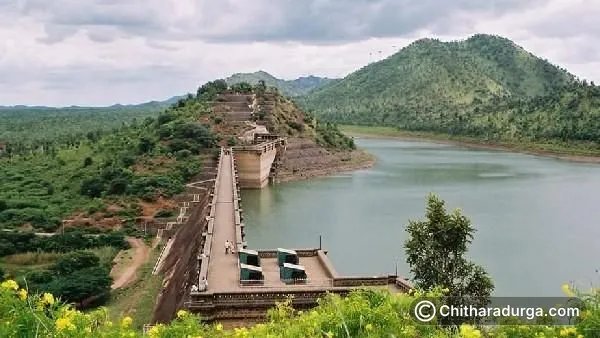
Vani Vilas Sagar – The Historic Lifeline of Hiriyur and Chitradurga
Vani Vilas Sagar, popularly known as Mari Kanive, is one of the most important historic reservoirs and engineering landmarks of Karnataka. Located near Hiriyur in Chitradurga district, the reservoir is built across the Vedavathi River and has played an important role in the agricultural and social development of this drought-prone region.
Surrounded by hills, rocky landscapes and peaceful waters, Vani Vilas Sagar is not only an irrigation project but also a place of historical, engineering and tourism significance. More than a century after its construction, the dam continues to stand as a remarkable example of early water-resource development in Karnataka.
Mari Kanive – Before the Dam
Long before the construction of the reservoir, the area was known as Mari Kanive.
The word Kanive in Kannada means a valley or gorge. The natural landscape, with hills narrowing around the course of the Vedavathi River, provided a suitable location for storing water.
The region surrounding Hiriyur has historically experienced irregular rainfall and recurring water scarcity. Agriculture depended heavily on seasonal rains, making the conservation of river water extremely important for local communities.
Recognising the potential of Mari Kanive, the rulers of the erstwhile Mysore State initiated an ambitious project to construct a reservoir across the Vedavathi.
That project eventually became Vani Vilas Sagar.
Construction of Vani Vilas Sagar
The Vani Vilas Sagar project was undertaken during the rule of the Wadiyar dynasty of Mysore.
Construction began toward the end of the nineteenth century and continued into the early twentieth century. The project was completed in 1907, making it one of Karnataka's oldest major irrigation reservoirs.
The reservoir was named Vani Vilas Sagar in honour of Maharani Kempa Nanjammani Vani Vilasa Sannidhana, who served as Regent of Mysore during the minority of Maharaja Krishnaraja Wadiyar IV.
The project represented a significant engineering achievement for its time. Building such a large structure in a rugged landscape, with the technology and transportation facilities then available, required considerable planning, labour and resources.
Built Across the Vedavathi River
Vani Vilas Sagar is constructed across the Vedavathi River, an important river flowing through this part of Karnataka.
The river is closely associated with the geography and agricultural life of the Chitradurga region. By impounding its waters at Mari Kanive, the reservoir created a dependable source of irrigation for areas around Hiriyur and beyond.
The stored water transformed the possibilities for farming in a region frequently affected by drought.
For this reason, Vani Vilas Sagar is much more than a dam.
For generations of farmers, it has represented water, agriculture and livelihood.
A Remarkable Engineering Achievement
One of the most fascinating aspects of Vani Vilas Sagar is its age.
Constructed more than a century ago, the dam belongs to an important period in the history of engineering and irrigation development in the erstwhile Mysore State.
Its location was carefully selected to make use of the surrounding natural terrain. Rocky hills on either side of the valley complement the man-made structure and create an impressive landscape.
The project illustrates the foresight of an era in which large-scale water conservation was recognised as essential to the prosperity of dry regions.
Even today, standing near the reservoir and looking across its vast expanse of water gives visitors an appreciation of the scale of the project conceived more than a hundred years ago.
Lifeline of Hiriyur's Agriculture
Hiriyur and surrounding areas lie in a comparatively dry part of Karnataka, where rainfall can be uncertain.
In such an environment, irrigation infrastructure has enormous importance.
Vani Vilas Sagar was constructed primarily to provide irrigation and improve agricultural conditions. Water from the reservoir has supported cultivation across the command area and contributed to the rural economy for generations.
The availability of irrigation encouraged agricultural activity in areas where dependence on rainfall alone carried considerable risk.
This long association with farming is one of the reasons Vani Vilas Sagar occupies such an important place in the lives and memories of people in the Hiriyur region.
When the Reservoir Overflows
One of the most spectacular sights at Vani Vilas Sagar occurs when the reservoir reaches its full capacity and water flows over the spillway.
Because the Chitradurga region does not receive abundant rainfall every year, such occasions have historically attracted considerable public attention.
When good rainfall fills the reservoir, the sight of water overflowing from this century-old structure becomes a moment of celebration for surrounding communities.
For farmers in particular, a full reservoir carries a deeper meaning.
It represents the promise of water for agriculture and greater water security for the region.
A Beautiful Landscape
Vani Vilas Sagar is also known for its scenic surroundings.
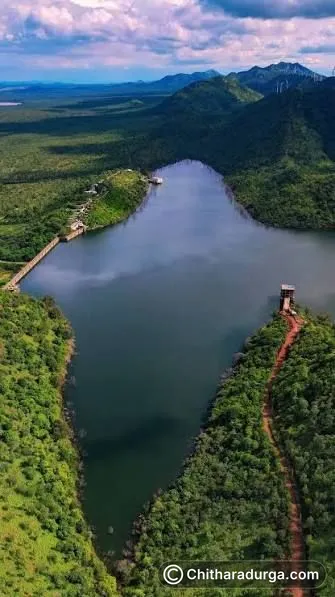
The vast reservoir stretches between rugged hills, creating beautiful views that change with the seasons. During and after good monsoon years, the combination of water, hills, vegetation and open sky makes the area particularly attractive.
The atmosphere is generally peaceful, making the reservoir an appealing destination for visitors interested in nature, photography, history and engineering.
The view from elevated locations around the reservoir reveals the scale of the water body and the distinctive geography that made Mari Kanive suitable for such an ambitious project.
More Than a Tourist Destination
For a visitor, Vani Vilas Sagar may first appear to be a beautiful reservoir surrounded by hills.
For the people of the region, however, its importance goes much deeper.
It represents more than a century of connection between water and agriculture, engineering and nature, history and development.
Generations have witnessed periods when the reservoir was low during drought and celebrated years when abundant rainfall restored its waters.
These experiences have made Vani Vilas Sagar part of the collective memory of Hiriyur and Chitradurga.
Historical Importance
The importance of Vani Vilas Sagar extends beyond irrigation.
Its construction demonstrates the emphasis that the erstwhile Mysore administration placed on long-term public infrastructure and water management.
At a time when modern machinery and construction technologies were far more limited than today, engineers and workers created a reservoir that would continue serving the region for generations.
This makes Vani Vilas Sagar an important part of Karnataka's engineering heritage.
The reservoir also offers an opportunity to understand how rulers, administrators and engineers of an earlier period responded to one of central Karnataka's greatest challenges—water scarcity.
Vani Vilas Sagar and Chitradurga Tourism
Chitradurga district is widely known for its magnificent fort, rocky landscape, temples, historical personalities and heroic legends.
Vani Vilas Sagar adds another dimension to the district's identity.
While Chitradurga Fort tells the story of military architecture and the Nayaka rulers, Vani Vilas Sagar represents the region's history of water conservation, irrigation and engineering development.
Its proximity to Hiriyur makes it an important destination for people exploring the southern part of Chitradurga district.
Visitors can experience the reservoir's scenic beauty while also appreciating the historic engineering achievement behind it.
Mari Kanive – A Name That Lives On
Although the official name is Vani Vilas Sagar, the traditional name Mari Kanive remains deeply rooted in local usage.
For many residents of Chitradurga district, the two names are inseparable.
“Vani Vilas Sagar” represents the historic reservoir and irrigation project, while “Mari Kanive” preserves the older geographical identity of the place.
Together, these names connect the landscape's natural history with more than a century of human engineering.
A Century-Old Legacy
Few infrastructure projects remain relevant to a region for more than a century.
Vani Vilas Sagar is one of them.
From the vision of the Mysore rulers and engineers who conceived the project to the farmers whose fields benefited from its waters, generations of people have been connected with this reservoir.
Its story is ultimately a story about the importance of water in a dry land.
It demonstrates how conserving a river's water can influence agriculture, livelihoods and the development of an entire region.
The Water Heritage of Chitradurga
Vani Vilas Sagar stands today as one of the defining landmarks of Hiriyur and Chitradurga district.
Its vast waters reflect more than the surrounding hills and sky. They reflect a history of engineering ambition, agricultural development and the continuing struggle to conserve precious water in a drought-prone landscape.
From its beginnings at Mari Kanive to its emergence as one of Karnataka's historic reservoirs, Vani Vilas Sagar has served generations of people.
More than a century after its construction, Vani Vilas Sagar remains a symbol of foresight, water conservation and the enduring relationship between the people of Chitradurga and their land.